Friday, January 31, 2025

Chicago free museum days February 2025: Dozens of free days coming up

Multiple Chicago-area attractions and museums are offering free admission days for Illinois residents for February 2025, with many also extending free days in March.

Here’s a look at upcoming free dates for some of the city’s most iconic museums, and how to visit.

Art Institute of Chicago

The Art Institute of Chicago will offer “free winter weekdays” for Illinois residents, with free admission every Monday, Thursday and Friday through March 14.

The museum is typically closed on Tuesdays and Wednesdays. However, beginning Wednesday, March 5, the Art Institute will be open on Wednesdays, which means March 5 and March 12 will also be part of the Institute’s 2025 “free winter week days.”

Tickets can be reserved in advance here.

Adler Planetarium

The Adler Planetarium allows Illinois residents to visit the museum for free every Wednesday from 4 p.m. to 10 p.m., including New Year’s Day.

Interested parties must reserve tickets in advance.

The museum said admission is always free for Illinois teachers.

Chicago Botanic Garden

Located in suburban Glencoe, the Chicago Botanic Garden has a number of free museum days for Illinois residents through March. Preregistration is required and parking fees apply, the organization said.

Below are the winter free days for 2025:

  • February: 2-7, 17
  • March: 17-20

Chicago History Museum

The Chicago History Museum offers the following free days for Illinois residents for winter 2025:

  • February: Tuesday – Friday every week in February, along with President’s Day.

More information can be found here.

Chicago Children’s Museum at Navy Pier

The Chicago Children’s Museum will hold a free family day on Thursday, Feb. 6 from 10 a.m. to 5 p.m. The free day coincides with the return of the museum’s fan-favorite exhibit, Zoom Room.

More information can be found here.

DuSable Black History Museum and Education Center

Although pre-booking tickets is always required, the museum offers free admission every Wednesday.

Field Museum

Admission for Illinois residents is free on Wednesdays, the Field Museum says. Below are the free Wednesdays coming up this winter:

  • February: 5, 12, 19, 26
  • March: 5, 12, 19, 26

Griffin Museum of Science and Industry

Illinois residents can visit the Griffin Museum of Science and Industry, formerly known as the Museum of Science and Industry, on the following days in winter 2025:

  • February: 3, 4, 5, 6, 9, 10, 11, 12, 13, 18, 19, 20, 24, 25, 26, 27

More information can be found here.

Museum of Contemporary Art Chicago

Illinois residents can visit the Museum of Contemporary Art for free every Tuesday. The museum is always free for visitors under the age of 18. The museum also has a pay-what-you-can policy.  

Peggy Notebaert Nature Museum

The museum offers free admission days on Thursdays for Illinois residents, and on those days, a $10 donation is suggested. You have the option to reserve your admission tickets online or in person.

Shedd Aquarium

The Shedd Aquarium offers free admission for Illinois residents on the following winter days:

  • February: 4-6, 11-13, 18-20, 25-27

The Shedd will also offer free nights from 5 p.m. to 9 p.m. March 4, 11, 18, 25

For ticket reservations made online, there is a $5 convenience fee. For ticket reservations made over the phone, there is no fee.

More information can be found here.

Swedish American Museum

The museum celebrating Swedish-American cultural heritage and tradition offers free admission on the second Tuesday of every month throughout the year. Plus, children under 1 year old get in for free.

Museums that always offer free admission


from NBC Chicago https://ift.tt/DWVz1N7
What is a tariff? How the tax could impact you and the prices of products

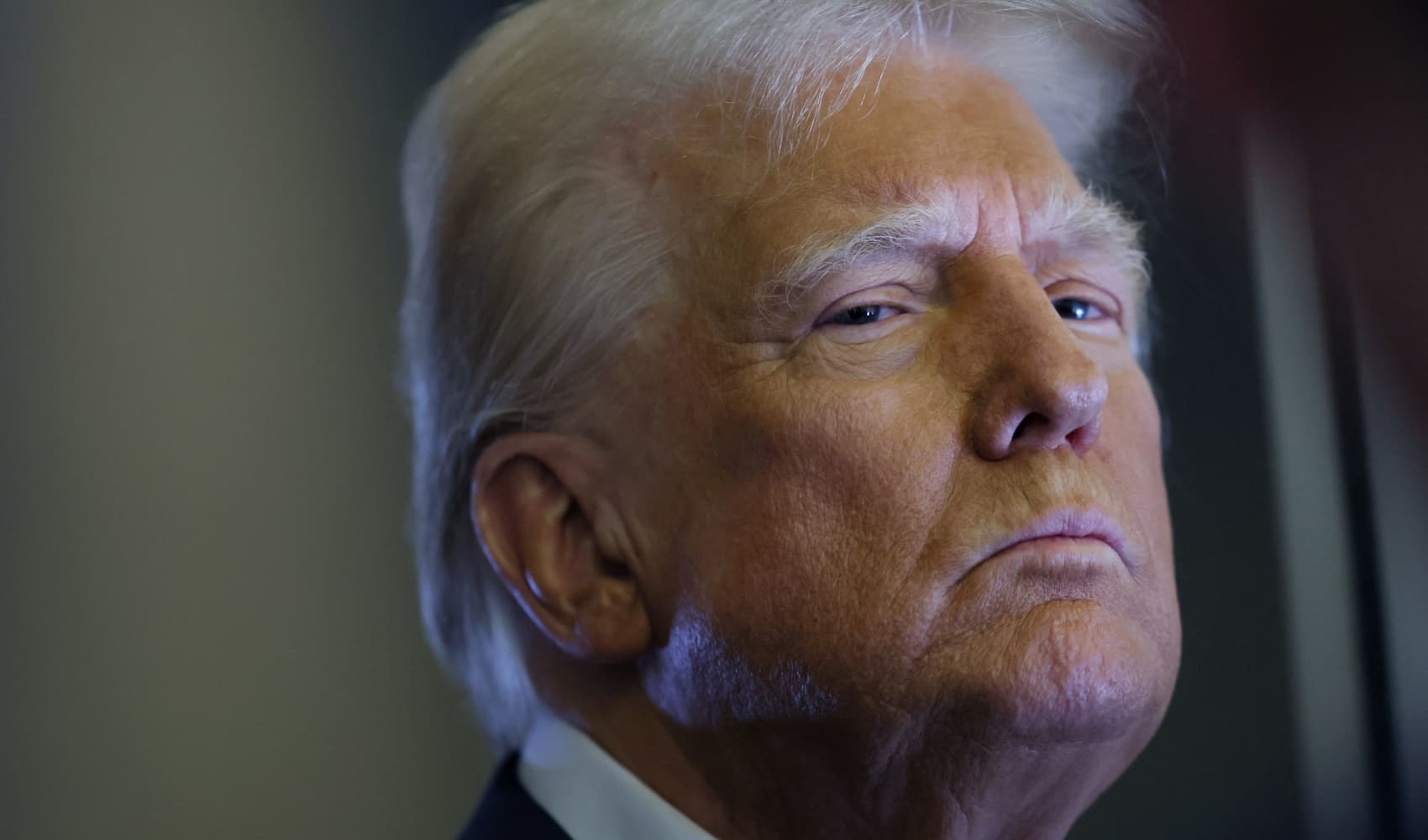
How much do you pay for gasoline? Guacamole? Flowers? Prices on those products and more could go up soon as this weekend if President Donald Trump’s threatened tariffs on China, Canada, Mexico and other countries take effect.

Trump has asserts that tariffs — basically import taxes — will create more factory jobs, shrink the federal deficit, lower food prices and allow the government to subsidize childcare. Mainstream economists are generally skeptical of tariffs, considering them a mostly inefficient way for governments to raise money and promote prosperity.

But what exactly is a tariff, how do they work, what could get more expensive and how could you be impacted?

Here’s a breakdown.

What are tariffs?

Tariffs are a tax on imports.

In the U.S., tariffs aim to discourage companies importing goods from places like China by making them pay more for the items they are trying ship in.

They are typically charged as a percentage of the price a buyer pays a foreign seller. In the United States, tariffs are collected by Customs and Border Protection agents at 328 ports of entry across the country.

U.S. tariff rates range from passenger cars (2.5%) to golf shoes (6%). Tariffs can be lower for countries with which the United States has trade agreements. For example, most goods can move among the United States, Mexico and Canada tariff-free because of Trump’s US-Mexico-Canada trade agreement.

Thursday, Trump confirmed that he’s “in the process” of implementing the trade sanctions on China and left the door open to including oil in those tariffs. Goods from China could be subjected to a 10% tariff, while those from Mexico and Canada could come under tariffs of 25%.

Who pays tariffs?

Trump insists that tariffs are paid for by foreign countries. But in fact, it is importers — American companies — that pay tariffs, and the money goes to U.S. Treasury. Those companies, in turn, typically pass their higher costs on to their customers in the form of higher prices.

That’s why economists say consumers usually end up footing the bill for tariffs.

Still, tariffs can hurt foreign countries by making their products pricier and harder to sell abroad. Yang Zhou, an economist at Shanghai’s Fudan University, concluded in a study that Trump’s tariffs on Chinese goods inflicted more than three times as much damage to the Chinese economy as they did to the U.S. economy.

How do tariffs work?

According to the Tax Foundation, while tariffs “do place an economic burden on foreign exporters, the costs are often borne by consumers in the country that is imposing them.”

“Tariffs directly increase the cost of domestic sales by artificially increasing the price on imports,” the organization stated.

Experts agree.

“Ultimately, the cost of tariffs will be paid by us, the consumer,” George Ball, chairman of investment management firm Sanders Morris, told CNBC. “They’ll be buying things at higher prices than they otherwise would.”

The true impact or rise of costs remains to be seen, however.

Clark Bellin, chief investment officer at Bellwether Wealth, said the relationship isn’t as simple as some Democrats have suggested, “especially when you throw the inflation we’ve been having into the mix.”

The Peterson Institute for International Economics estimates the yearly cost of a 20% universal tariff, paired with a 60% tariff on China, would cost a typical U.S. household $2,600 per year.

Meanwhile, The Tax Foundation estimates a 10% universal tariff would increase taxes on U.S. households by an average of $1,253 in 2025, and a 20% tariff would increases costs by $2,045.

A report from the National Retail Federation estimated up to $7,600 in additional costs per U.S. household annually if Trump’s tariffs are imposed.

“While impacts as a share of the U.S. economy may seem small, it is a different story for individual products, including
many consumer goods whose prices already are inflated by extra tariffs on Chinese imports,” the report stated.

Trump has argued, however, that tariffs will prompt other countries to negotiate better trade deals and motivate them to lower their own tariffs on U.S. imports.

What products could be impacted by tariffs?

“Unfortunately, it’s going to impact a lot of consumers,’’ said Dave Evans, co-founder and CEO of Fictiv, a San Francisco company that helps clients manage their supply chains in plastics and metals. “We saw this in his first term. A tariff isn’t fully absorbed by the companies.’’

According to the Peterson Institute for International Economics, American consumers and households are predicted to bear the effects of higher tariffs, with “substantial costs for the average American household and a burden that falls more heavily on lower income households.”

From China, sneakers furniture and toys could become more expensive, CNBC reported.

“Around 80% of toys imported to the U.S. come from China, and the cost of toys made outside of the U.S. could increase by up to 56% under Trump’s proposals, according to The Toy Association, a trade group that lobbies on behalf of the industry,” CNBC said.

That would make a $20 Barbie doll — which has historically been manufactured in China — cost as much as $31.20, according to CNBC.

Between 30% and 40% of furniture is produced in the U.S., but as much as 50% of raw materials – like wood, fabrics, hinges and screws – are imported, making price increases on home products difficult to avoid, even if they’re technically “made in America,” CNBC said.

From Mexico, prices for cars, beer and avocados could rise. Tariffs on Canadian goods could also impact automakers and car buyers, along with French fries and winter coats.

Have tariffs been used before?

By raising the price of imports, tariffs can protect home-grown manufacturers. They may also serve to punish foreign countries for committing unfair trade practices, like subsidizing their exporters or dumping products at unfairly low prices.

Before the federal income tax was established in 1913, tariffs were a major revenue driver for the government. From 1790 to 1860, tariffs accounted for 90% of federal revenue, according to Douglas Irwin, a Dartmouth College economist who has studied the history of trade policy.

Tariffs fell out of favor as global trade grew after World War II. The government needed vastly bigger revenue streams to finance its operations.

In the fiscal year that ended Sept. 30, the government collected around $80 billion in tariffs and fees. That’s a trifle next to the $2.5 trillion that comes from individual income taxes and the $1.7 trillion from Social Security and Medicare taxes.

Still, Trump wants to enact a budget policy that resembles what was in place in the 19th century.

Tariffs can also be used to pressure other countries on issues that may or may not be related to trade. In 2019, for example, Trump used the threat of tariffs as leverage to persuade Mexico to crack down on waves of Central American migrants crossing Mexican territory on their way to the United States.

Trump even sees tariffs as a way to prevent wars.

“I can do it with a phone call,’’ he said at an August rally in North Carolina.

If another country tries to start a war, he said he’d issue a threat:

“We’re going to charge you 100% tariffs. And all of a sudden, the president or prime minister or dictator or whoever the hell is running the country says to me, ‘Sir, we won’t go to war.’ ”

Could tariffs backfire?

Tariffs raise costs for companies and consumers that rely on imports. They’re also likely to provoke retaliation.

The European Union, for example, punched back against Trump’s tariffs on steel and aluminum by taxing U.S. products, from bourbon to Harley-Davidson motorcycles. Likewise, China responded to Trump’s trade war by slapping tariffs on American goods, including soybeans and pork in a calculated drive to hurt his supporters in farm country.

A study by economists at the Massachusetts Institute of Technology, the University of Zurich, Harvard and the World Bank concluded that Trump’s tariffs failed to restore jobs to the American heartland. The tariffs “neither raised nor lowered U.S. employment’’ where they were supposed to protect jobs, the study found.

Despite Trump’s 2018 taxes on imported steel, for example, the number of jobs at U.S. steel plants barely budged: They remained right around 140,000. By comparison, Walmart alone employs 1.6 million people in the United States.

Worse, the retaliatory taxes imposed by China and other nations on U.S. goods had “negative employment impacts,’’ especially for farmers, the study found. These retaliatory tariffs were only partly offset by billions in government aid that Trump doled out to farmers. The Trump tariffs also damaged companies that relied on targeted imports.

If Trump’s trade war fizzled as policy, though, it succeeded as politics. The study found that support for Trump and Republican congressional candidates rose in areas most exposed to the import tariffs — the industrial Midwest and manufacturing-heavy Southern states like North Carolina and Tennessee.

Could tariffs increase inflation?

On Monday, the economics division of the insurance company Nationwide estimated that Trump’s proposed tariffs on Canada and Mexico would increase inflation by as much as 0.5 percentage points and pull down growth by 0.7 percentage points.

The analysis noted it did not “account for potential retaliatory tariffs from Canada or Mexico, which could amplify the deleterious impact on inflation and GDP growth.”

Trump has made lower gasoline prices one of his key strategies for tackling inflation, but tariffs on Canada could drive up prices at the pump unless Trump creates carveouts in his plan.

“For example, 60% of oil and gas imports come from Canada,” said Oxford Economics’ Martin. “A 25% tariff would lead to higher gasoline, diesel, and petroleum product prices for households and firms, especially in the Midwest and Rocky Mountain regions, where refineries are connected to Canada by pipeline.”

The tax services firm PwC looked at the possible impact of 25% tariffs and found that companies importing from Canada could have to pay $106 billion more annually in import taxes and those importing from Mexico could owe $131 billion more.

“When we think about hardest-hit industries, we think about transportation and automotive,” said Chris Desmond, a principal at PwC’s international trade practice. “The amount of companies that have operations in Mexico and Canada in that industry with components and parts as well, including even airplanes, that’s going to be a huge hit.”

Desmond estimates that taxes paid on imports in the transportation sector from all of Trump’s tariff plans, which include new taxes on China and other countries, could increase from $4 billion a year to $68 billion. It’s unclear how companies would absorb those costs or possibly pass them along to consumers.

None of those analyses is at the forefront of Trump’s public thoughts. His argument is that tariffs would make the U.S. wealthy by sheltering it from competition and safer because they could be tools to force other countries to reduce illegal immigration.

“Tariffs, I told you, most beautiful word in the dictionary,” Trump said Monday as he recalled his campaign speeches praising the import taxes. He reminisced in that speech how he was criticized for praising the term, prompting him to conclude that tariff is, in fact, the fourth most beautiful word after “God, love, religion.”


from NBC Chicago https://ift.tt/aJi71f9

Thursday, January 30, 2025

Live updates: 28 bodies recovered after plane, helicopter crash left no survivors

What to Know

  • A regional jet with 60 passengers and four crew members and an Army helicopter with three crewmembers aboard collided midair about 9 p.m. ET Wednesday.
  • PSA Airlines was operating the jet as American Airlines Flight 5342. It departed from Wichita, Kansas, and was approaching Reagan Washington National Airport in Northern Virginia before the crash.
  • More than 300 first responders from around the Washington, D.C., region took part in the search-and-rescue mission, which became a recovery mission on Thursday morning.
  • As of Thursday morning, 28 bodies had been recovered from the Potomac River. D.C. Fire and EMS Chief John A. Donnelly said he did not expect to find survivors.
  • The airport reopened at 11 a.m. ET Thursday.

Recovery operations are underway after an American Airlines flight and an Army helicopter collided and crashed into the Potomac River near Ronald Reagan Washington National Airport on Wednesday night. Follow live updates below.


from NBC Chicago https://ift.tt/XAz8fkL

9k Illinois residents could get money as part of $100M suit with Vanguard

Some 9,000 Illinois residents could receive a chunk of a $106 million, multi-state settlement with mutual fund and retirement investor company Vanguard after a lawsuit said the company failed to disclose tax implications of its retirement fund, Illinois Secretary of State Alexi Giannoulis announced Wednesday.

According to the settlement, the Pennsylvania based investment company — a popular choice among employers for employee retirement and investment accounts — failed to disclose potential tax consequences to users, which led to higher capital gains taxes for investors.

In Illinois, it resulted in approximately 9,000 investors paying higher than expected capital gains taxes on some retirement funds, Giannoulias’ office said.

“The Secretary of State’s office is committed to protecting Main Street investors and ensuring that companies operating in Illinois follow securities laws and are held accountable when they fail to do so,” Giannoulias said in the announcement.

The settlement stemmed from a three-year, multi state investigation that ran parallels with a concurrent investigation by the U.S. Securities Exchange Commission, the announcement said. According to officials, the SEC will handle remediation payments and notify investors who were impacted.

According to the announcement, the investigation revealed that in 2020, Vanguard lowered the investment minimum for its Institutional Target Retirement Funds, known as TRFs, from $100 million to $5 million. As a result of the lowered minimums, “a large number of retirement plan investors redeemed their Investor TRF shares to purchase Institutional TRF shares,” the announcement said.

The large number of redemptions ultimately caused Vanguard to sell highly appreciated assets in the Investor TRF, the Giannoulias said, “which triggered significant capital gains taxes for hundreds of thousands of retail investors who remained invested in the Investor TRF.”

According to Giannoulias, Vanguard did not disclose the potential capital gains and tax implications to shareholders.

More than 40 states are part of the settlement, including Illinois, Indiana, Wisconsin and Minnesota, officials said.

How do you know if you are part of the settlement?

According to Giannoulias, the SEC will notify investors who were impacted, and compensate them through its “Fair Fund” program.

It wasn’t immediately clear how much money investors could get, or when they might start seeing funds.


from NBC Chicago https://ift.tt/v4VrubI

What we know about the victims of the plane, helicopter crash outside DC

What to Know

  • An American Airlines flight and an Army helicopter collided and crashed Wednesday night into the Potomac River near Reagan National Airport.
  • All 64 people on the passenger plane that was arriving from Wichita, Kansas, are feared to be dead, in addition to the three aboard the helicopter. Twenty-eight bodies have been recovered, officials said at a news conference Thursday morning.
  • “At this point, we don’t believe there are survivors from this accident,” D.C. Fire and EMS Chief John A. Donnelly said Thursday morning.
  • A massive emergency response included boats and dive teams from police and fire departments across the area.
  • What caused the collision? It’s unclear. U.S. Secretary of Transportation Sean Duffy said there was no communication breakdown and both aircraft involved in the crash were in standard flight patterns.
  • Reagan National Airport reopened at 11 a.m. ET Thursday. “It’s safe,” the president and CEO of the Metropolitan Washington Airports Authority said.

An American Airlines flight and a military helicopter collided and crashed into the Potomac River near Reagan National Airport Wednesday evening. Officials believe everyone on both aircraft died. A recovery operation is underway.

Follow along with live updates below.


from NBC Chicago https://ift.tt/8shfXMa

Wednesday, January 29, 2025

Watch a miles-long cluster of dolphins captured on drone video

A miles-long cluster of dolphins has been filmed leaping and gliding across Carmel Bay off the central coast of California, forming an unusual “super pod” of more than 1,500 of the marine creatures.

“They were on the horizon I feel like as far as I could see,” said Captain Evan Brodsky, with the Monterey Bay Whale Watch, who captured drone footage of Friday’s huge gathering of Risso’s dolphins.

The sighting was rare: Risso’s dolphins typically travel in groups of only 10 to 30 animals, according to the National Oceanic and Atmospheric Administration.

From a 20-foot (about 6-meter) inflatable boat, Brodsky and a small team out searching for Gray whales watched mesmerized as the dolphins jumped out of the bay, peeking around as they leaped in the air. This type of dolphin with its stocky body and bulbous head can weigh as much as 1,100 pounds (about 499 kilograms) and reach up to 13 feet (3.9 meters) long.

Colleen Talty, a marine biologist on the trip to track the annual migration of Gray whales headed to breeding lagoons off Mexico’s Baja California coast, called it “pretty amazing” to see more than 1,500 dolphins cavorting all around their boat.

Some, she said, were even swimming at the front of the vessel and using the waves to propel them forward, a technique known as bow riding.

“They were just having a great time. So they were breaching everywhere … tail slapping, coming right over to the boat. They looked like they were having a big party,” she said.

The large mix of adult and juvenile dolphins was likely the result of several pods coming together and swimming south, she said.

Although this is not the first time they’ve seen this large of a group, it’s not a common occurrence, Talty said.

The Monterey coastline is a particularly ideal location to spot the dolphins because they prefer extremely deep water. The area’s underwater submarine canyon means they may swim much closer to shore than elsewhere along the California coast, said Talty.

The team didn’t initially grasp the sheer size of the super pod that appeared Friday morning, thinking there were only several hundred dolphins.

“Once we put the drone up, I was just blown away … I kept saying, ‘Look at my screen. Look at my screen. Look how many there are,’” said Brodsky. “It just blows my mind every time. It never gets old.”

Talty described one particularly memorable moment Friday in which she stood at the front of the boat and looked down to see several dolphins turning on their sides and staring straight back at her.

As the dolphins continued to interact with the boat, the team drove straight ahead, making sure to stay out of their way.

“You don’t want to make any abrasive maneuvers and potentially injure an animal. That’s of course the last thing you ever want to do,” Brodsky said. “So we just cruise along with them. It was an incredible experience.”


from NBC Chicago https://ift.tt/PLSWdrB

Trump administration rescinds order attempting to freeze federal aid spending

President Donald Trump’s administration on Wednesday rescinded a widespread freeze most federal grants and loans just one day after it was issued amidst significant criticism, according to a memo a source provided to NBC News.

A senior administration official confirmed the order was rescinded Wednesday.

The order, which sparked chaos and confusion across Washington, was temporarily halted by a federal district judge Tuesday evening.

The directive from the Office of Management and Budget came Monday night, directing federal agencies to “temporarily pause all activities related to obligation or disbursement of all Federal financial assistance, and other relevant agency activities that may be implicated by the executive orders, including, but not limited to, financial assistance for foreign aid, nongovernmental organizations, DEI, woke gender ideology, and the green new deal.”

The memo said the pause would allow the administration to review which programs were “consistent” with Trump’s agenda.

Social Security, Medicare and direct payments to individuals were not supposed to be affected, but because the memo was so vaguely worded, it wasn’t clear exactly which aid would be halted.

Throughout the day, the White House attempted to clarify the exceptions, but by then, there was widespread confusion and reports of people and organizations unable to access systems to receive their federal aid.

Nonprofits that worked on health care and homelessness, for example, told NBC News that they were unable to get into websites to withdraw funds, and online portals to access Medicaid payments were temporarily down.

“This is an important victory for the American people whose voices were heard after massive pressure from every corner of this country—real people made a difference by speaking out,” Sen. Patty Murray, D-Wash., said in a statement Wednesday. “Still, the Trump administration — through a combination of sheer incompetence, cruel intentions, and a willful disregard of the law — caused real harm and chaos for millions over the span of the last 48 hours which is still ongoing.”

Democracy Forward, a progressive nonprofit group, filed the lawsuit against OMB that resulted in Judge Loren AliKhan issuing the order that temporarily blocked the freeze from going into effect.

“While we hope this will enable millions of people in communities across the country to breathe a sigh of relief, we condemn the Trump-Vance administration’s harmful and callous approach of unleashing chaos and harm on the American people,” Skye Perryman, the CEO of Democracy Forward, said in a statement. “Our team will continue to bring swift legal actions to protect the American people and will use the legal process to ensure that federal funding is restored.”

This story first appeared on NBCNews.com. More from NBC News:


from NBC Chicago https://ift.tt/3hIFsRH

Tuesday, January 28, 2025

Legal battle looms as Trump orders funding freeze amid review of federal loans and grants

The White House is pausing federal grants and loans starting Tuesday as President Donald Trump’s administration begins an across-the-board ideological review of its spending, causing confusion and panic among organizations that rely on Washington for their financial lifeline.

Administration officials said the decision was necessary to ensure that all funding complies with Trump’s executive orders, which are intended to undo progressive steps on transgender rights, environmental justice and diversity, equity and inclusion, or DEI, efforts.

They also said that federal assistance to individuals would not be affected, including Social Security, Medicare, food stamps, student loans and scholarships.

However, the funding freeze could affect trillions of dollars, at least temporarily, and cause widespread disruption in health care research, education programs and other initiatives. Even grants that have been awarded but not spent are supposed to be halted. State agencies and early education centers appeared to be struggling to access money from Medicaid and Head Start, stirring anxiety with answers hard to come by in Washington.

Attorneys general from six states — Massachusetts, Rhode Island, New York, New Jersey, Illinois and California — said they are filing a lawsuit to stop the Trump administration’s sudden pause to federal funding. They made the announcement at a virtual news conference Tuesday afternoon.

“The president does not get to decide which laws to enforce, and for whom,” New York Attorney General Letitia James said.

The issue dominated the first briefing held by White House press secretary Karoline Leavitt. She said the administration was trying to be “good stewards” of public money by making sure that there was “no more funding for transgenderism and wokeness.”

The pause on grants and loans was scheduled to take effect at 5 p.m. ET, just one day after agencies were informed of the decision.

“The use of Federal resources to advance Marxist equity, transgenderism, and green new deal social engineering policies is a waste of taxpayer dollars that does not improve the day-to-day lives of those we serve,” wrote Matthew Vaeth, the acting director of the Office of Management and Budget.

Democrats and independent organizations described the pause as capricious and illegal because Congress had already authorized the money.

“The scope of this illegal action is unprecedented and could have devastating consequences across the country,” said Sen. Patty Murray of Washington, the top Democrat on the Senate Appropriations Committee. “For real people, we could see a screeching halt to resources for child care, cancer research, housing, police officers, opioid addiction treatment, rebuilding roads and bridges, and even disaster relief efforts.”

Senate Minority Leader Chuck Schumer, a Democrat from New York, called it “more lawlessness and chaos in America.”

It was unclear from the White House memo how sweeping the pause will be. Vaeth said all spending must comply with Trump’s executive orders,

Vaeth wrote that “each agency must complete a comprehensive analysis of all of their Federal financial assistance programs to identify programs, projects, and activities that may be implicated by any of the President’s executive orders.” He also wrote that the pause should be implemented “to the extent permissible under applicable law.”

The Environmental Protection Agency, which distributes billions of dollars, confirmed that it would implement the pause to “align federal spending and action with the will of the American people as expressed through President Trump’s priorities.”

Washington is a hub of spending that flows to various departments, local governments, nonprofits and contractors, and the memo has left countless people who are dependent on that money wondering how they will be affected.

The pause is the latest example of how Trump is harnessing his power over the federal system to advance his conservative goals. Unlike during his first term, when Trump and many members of his inner circle were unfamiliar with Washington, this time he’s reaching deep into the bureaucracy.

“They are pushing the president’s agenda from the bottom up,” said Paul Light, an expert on the federal government and professor emeritus of public service at New York University.

He also said there are risks in Trump’s approach, especially with so many voters reliant on Washington.

“You can’t just hassle, hassle, hassle,” Light said. “You’ve got to deliver.”


from NBC Chicago https://ift.tt/O5LNj14

White House pausing federal grants and loans starting today: What it means for you

The White House is pausing federal grants and loans starting on Tuesday as President Donald Trump’s administration begins an across-the-board ideological review of its spending.

Here’s the latest:

Will billions for Medicaid be halted?

Medicaid is notably not exempt from a White House directive to pause all federal grants and loans by the end of day Tuesday. Medicare and Social Security, however, were spared in the memo.

The U.S. Health and Human Services agency doles out over a half trillion dollars to states in a joint partnership to run Medicaid, the nation’s health care coverage for about 80 million of the poorest of Americans, including millions of children.

A spokesman for Illinois Democratic Gov. J.B. Pritzker’s office said the state’s agencies have reported issues accessing the website used to request disbursement for Medicaid payments.

HHS did not immediately respond to questions about the spending freeze and whether Medicaid payments would continue.

EPA says it’s working to implement pause on federal grants and loans ordered by the White House

An Environmental Protection Agency spokeswoman says the pause will “align federal spending and action with the will of the American people as expressed through President Trump’s priorities.”

The agency is temporarily pausing all activities related to the obligation or disbursement of EPA federal financial assistance, spokeswoman Molly Vaseliou said Tuesday.

The EPA controls billions of dollars in grants and other spending, including through the Inflation Reduction Act and the bipartisan infrastructure law, as well as programs intended to ensure safe drinking water and other goals. The money goes to state and local governments as well as tribes and nonprofit groups.

“EPA is continuing to work with OMB as they review processes, policies and programs, as required by the memorandum,” Vaseliou said.

Senators call Trump’s funding freeze an attack on communities and the power of Congress

Democratic Senators are describing panicked calls coming overnight from communities back home afraid of what will happen to programs for children, seniors, public works and disease research as the Trump administration pauses federal funding for review.

“This is no way to govern,” Sen. Amy Klobuchar, a Democrat from Minnesota, said at a news conference at the Capitol.

Congress has the power of the purse but the administration’s action is seen as a direct challenge to that authority, all but courting legal action with drawn out lawsuits.

“This is a profound constitutional issue,” said Sen. Angus King, the independent from Maine.

“What happened last night is the most direct assault on the authority of Congress, I believe, in the history of the United States,” King said.

Longtime budget watchers warn Trump’s funding freeze is threatening programs Americans depend on

“This new OMB memo is certain to cause chaos and could result in serious harm to a broad swath of people and communities around the country,” wrote Sharon Parrott, a former White House budget official who’s now president of the Center for Budget and Policy Priorities.

She said the Trump administration “seems determined to subvert Congress, its hand-waving about following the law notwithstanding.”

Education Department says the pause doesn’t apply to grants received directly by individuals

That includes the more than 40 million Americans with federal student loans and 7 million with federal Pell Grants for low-income students.

This means students who rely on federal financial aid to pay for tuition and other costs are not expected to see any disruption from the pause. Department officials said they’re still reviewing the effect of the memo.

The White House memo on federal aid came as a shock to some

“We’ve never seen anything like this,” said Marcia Howard, executive director of Federal Funds Information for States, a nonprofit that analyzes the effect of federal actions on states. “It is unprecedented.”

Although the federal government has rescinded unspent funds in the past, it hasn’t normally halted grants on the front-end, she said. The grant pause is perhaps most similar to a federal government shutdown, when a congressional impasse on spending legislation delays federal payments for some state and local services.

“What we generally have observed with states under those circumstances is that a couple of weeks isn’t hugely disruptive,” Howard said.

States on average receive about 30% of their revenues from the federal government, according to Federal Funds Information for States. The largest grant program is Medicaid, which provides health care for lower-income children and adults. But it’s unclear whether the Trump administration’s pause will interrupt the flow of Medicaid reimbursement funds to states.

Trump harnessing his power to advance his conservative goals

Washington is a hub of spending that flows to various departments, local governments, nonprofits and contractors, and the memo has left countless people who are dependent on that money wondering how they’ll be affected.

Unlike during his first term, when Trump and many members of his inner circle were unfamiliar with Washington, this time he’s reaching deep into the bureaucracy.

“They are pushing the president’s agenda from the bottom up,” said Paul Light, an expert on the federal government and professor emeritus of public service at New York University.

He also said there are risks in Trump’s approach, especially with so many voters reliant on Washington.

“You can’t just hassle, hassle, hassle. You’ve got to deliver.”

Immigrant and refugee advocates were cut off even before Monday’s funding pause

Last week, the Justice Department halted contracts to provide legal information to people facing deportation in immigration court. Government-funded nonprofit groups were told in an email “to stop work immediately” on helping people navigate the system’s complex laws and procedures.

“We often hear that people don’t know what’s happening. Why are they detained? What’s going to happen next? And we are being stopped from even giving that basic level of orientation,” said Michael Lukens, executive director of Amica Center for Immigrant Rights.

The State Department told groups that give temporary housing and job training to resettled refugees to stop work immediately on government-funded efforts. Global Refuge said it affected 5,870 refugees under its watch.

“Recently arrived refugees who fled unimaginable danger and lawfully came to the U.S. rely on the initial assistance of Global Refuge to help them navigate life in America,” Krish O’Mara Vignarajah, the group’s president, wrote in a fund-raising pitch Monday.

State official awaiting guidance on effect of memo pausing federal loans and grants

In Kansas, state Transportation Secretary Calvin Reed said he learned of the Trump administration’s move Monday night and that the agency is still reviewing it and awaiting more guidance from federal officials.

Federal funds are a key source of money for highway and bridge projects, and the department expects to receive $664 million in federal funds during the 12 months beginning July 1, almost 40% of its annual budget of nearly $1.7 billion.

“We think it’s a low risk for our typical everyday highway projects,” he said Tuesday, before briefing a legislative committee on his department’s operations. “The target seems to be some of the initiatives that the Trump administration has said publicly that they want to change, things like DEI, electric vehicle infrastructure.”

Democrats and independent organizations criticize the administration for federal grant pause

They described the administration’s actions as capricious and illegal because Congress had already authorized the funding.

“Congress approved these investments and they are not optional; they are the law,” New York Democratic Sen. Chuck Schumer, the Senate minority leader, said in a statement. “It will mean missed payrolls and rent payments and everything in between: chaos for everything from universities to non-profit charities.”

Medicare and Social Security benefits won’t be affected by the pause in federal grants and loans

That’s according to the memo on the pause from Matthew Vaeth, the acting director of the Office of Management and Budget.

But there was no explanation of whether the pause would affect Medicaid, food stamps, disaster assistance and other programs. The memo said it should be implemented “to the extent permissible under applicable law.”

Trump is pausing federal loans and grants as his administration reviews spending

The decision by the Republican administration could affect trillions of dollars and cause widespread disruption in health care research, education programs and other initiatives. Even grants that have been awarded but not spent are supposed to be halted.

“The use of Federal resources to advance Marxist equity, transgenderism, and green new deal social engineering policies is a waste of taxpayer dollars that does not improve the day-to-day lives of those we serve,” said a memo from Matthew Vaeth, the acting director of the Office of Management and Budget.

The pause takes effect Tuesday at 5 p.m. ET, and it’s unclear from the memo how sweeping it will be. Vaeth said all spending must comply with Trump’s executive orders, which are intended to undo progressive steps on transgender rights, environmental justice and diversity, equity and inclusion, or DEI, efforts.


from NBC Chicago https://ift.tt/uDnE1cr

Monday, January 27, 2025

Nostalgic northwest suburban restuarant, ice cream parlor to close after 120 years: Report

A nostalgic restaurant and ice cream parlor in the northwestern suburbs that was founded more than 100 years ago will soon close its doors for good, according to reports.

The Buffalo Restaurant & Ice Cream Parlor, at 1180 E. Lake Cook Rd., will close up shop beginning in April of 2025, according to a report from The Daily Herald. The restaurant’s final day of meal service will be on March 30, 2025.

“After 120 years of history and 35 years in Buffalo Grove, Buffalo Restuarant is closing,” mailers about the closing, which were posted on social media, appeared to say. “Come visit us ONE FINAL TIME!”

MORE: Hard Rock Cafe in downtown Chicago to close after nearly 40 years

The restaurant, with its recognizable teal awnings, moved to the busy intersection of Lake Cook Road and North Arlington Heights Road in the 1990s, the Daily Herald reported, after originally opening at Irving Park and Pulaski the early 1900s.

Word of the closures quickly spread across social media, with dozens of comments from former diners reminiscing about their experiences at the restaurant.

“One more childhood memory lost to history,” one comment, posted to a “Chicago History” Facebook group said.

“Too bad,” said another, “It was once our go-to place in BG.”

As of 12 p.m. Monday, the restaurant itself had not posted about the closure on social media, and they could not immediately be reached for comment.


from NBC Chicago https://ift.tt/bc5SXRA

Sunday, January 26, 2025

Cicero apartment building fire displaces multiple residents, officials say

An apartment building fire in suburban Cicero has displaced residents in a half-dozen units, fire officials say.

According to the Cicero Fire Department, the fire broke out in the 18-unit building just after midnight Sunday in the 5600 block of 22nd Place.

Firefighters responded to the scene and were able to extinguish the blaze, which caused damage to at least six units inside, according to a press release.

Residents of those units were either staying with loved ones or obtained temporary housing through the Cicero Department of General Assistance, officials said.

Residents in the other 12 units not impacted by the fire were able to return to their apartments on Sunday.

No injuries were reported, and the cause of the fire remains under investigation.


from NBC Chicago https://ift.tt/zhd56KT

Mystery after patient is found dead on the roof of a Chicago hospital in freezing cold

‘My sister didn’t deserve this. She was young and changing her life around to be an amazing person to travel the world through real estate,’ her brother said


from The Independent https://ift.tt/97OAHD3

Colombia turns away military deportation flights from U.S., officials say

Colombia has denied entry to two U.S. military deportation flights, according to officials from the Department of Homeland Security and the Defense Department.

The flights, carried out on U.S. military C-17 aircraft, were carrying about 80 Colombian migrants each and had departed from California, the defense official told NBC News.

Initially cleared for landing, the flights were grounded after Colombian President Gustavo Petro suddenly revoked all diplomatic clearances for the aircraft, the official said.

This comes after Mexico temporarily blocked two U.S. planes with 80 passengers each from landing last week, frustrating deportation plans and sparking tensions. While the issue was later resolved, Mexican officials have express opposition to the U.S.’ unilateral actions around immigration measures.

In a statement shared on X, Petro criticized the use of military planes for deportation. 

“A migrant is not a criminal and should be treated with the dignity a human being deserves,” he wrote. “We will receive our nationals in civilian airplanes, without treating them as criminals. Colombia must be respected.”

This article originally appeared on NBCNews.com. Read more from NBC News:


from NBC Chicago https://ift.tt/KO4XZs8

Saturday, January 25, 2025

Chicago's sunset times to hit 5 p.m. this week as days get longer

While it’s still over a month until the start of daylight saving time, those yearning for longer days will at least see a major milestone in the Chicago area this week.

For the first time since clocks “fell back” at the start of November, sunsets in the Chicago area will be after 5 p.m. beginning on Jan. 28, according to timeanddate.com.

On Tuesday, the sun will rise at 7:06 a.m. and set at 5 p.m., with the sunset time increasing to 5:04 p.m. by Friday, Jan. 31.

Sunset times will continue to increase daily through June’s summer solstice, though the largest increase will be seen from March 8-9, when clocks “spring forward” as daylight saving time takes effect.

The sunset on March 8, the last day of standard time observance, is 5:49 p.m., while the sunset the following day will be at 6:50 p.m., over an hour later.

The year’s longest days in the Chicago area will come around the June 21 summer solstice, with both June 20 and June 21 seeing a sunrise of 5:15 a.m. and a sunset of 8:29 p.m.

Shortly after daylight saving time takes effect, Chicago will see its first 7 p.m. sunset on March 18, with May 11 marking the year’s first 8 p.m. sunset.


from NBC Chicago https://ift.tt/Dml396n

When do clocks ‘spring forward' for daylight saving time? Here's what to know

While Chicago-area residents may be consumed with what has been a mostly bitter cold January, days are slowly getting longer as the start of daylight saving time nears.

Though another full month of meteorological winter is still on the way, daylight saving time will begin shortly thereafter, with federal law requiring it begins on the second Sunday in March.

Daylight saving time is then in effect through the first Sunday of November in most of the U.S.

For 2024, daylight saving time came to an end Nov. 3, with clocks “falling back” an hour. In 2025, it’s set to resume in the U.S. on Mar. 9, when clocks move one hour ahead (and people, for that matter, lose one hour of sleep).

But it wasn’t always this way.

Here’s a breakdown of what it is, why it was created, what states observe it and more.

Why do we have daylight saving time? Why it was created

Clocks used to spring ahead on the first Sunday in April and remained that way until the final Sunday in October, but a change was put in place in part to allow children to trick-or-treat in more daylight.

In the United States, daylight saving time lasts for a total of 34 weeks, running from early-to-mid March to the beginning of November in states that observe it.

Some people like to credit Benjamin Franklin as the inventor of daylight saving time when he wrote in a 1784 essay about saving candles and saying, “Early to bed, early to rise makes a man healthy, wealthy and wise.” But that was meant more as satire than a serious consideration.

Germany was the first to adopt daylight saving time on May 1, 1916, during World War I as a way to conserve fuel. The rest of Europe followed soon after.

The United States didn’t adopt daylight saving time until March 19, 1918, with the intention of adding additional daylight hours also as a way to help save energy costs during World War I, according to the U.S. Department of Defense. However, it was unpopular and abolished after World War I.

On Feb. 9, 1942, Franklin Roosevelt instituted a year-round daylight saving time, which he called “wartime.” The law, was again meant to instate daylight saving time to “help conserve fuel and promote national security defense,” the department said. This lasted until Sept. 30, 1945.

Daylight saving time didn’t become standard in the US until the passage of the Uniform Time Act of 1966, which mandated standard time across the country within established time zones. It stated that clocks would advance one hour at 2 a.m. on the last Sunday in April and turn back one hour at 2 a.m. on the last Sunday in October.

States could still exempt themselves from daylight saving time, as long as the entire state did so. In the 1970s, due to the 1973 oil embargo, Congress enacted a trial period of year-round daylight saving time from January 1974 to April 1975 in order to conserve energy.

But portions of the law have been changed a few times since, the department said. The policy as it stands today, implemented by former President George W. Bush in 2005, extended daylight saving time by a few weeks, starting on the second Sunday in March, and ending on the first Sunday in November.

Which states don’t observe daylight saving time?

Nearly every U.S. state observes daylight saving time, with the exceptions of Arizona (although some Native American tribes do observe DST in their territories) and Hawaii. U.S. territories, including Puerto Rico, American Samoa, Guam and the U.S. Virgin Islands, do not observe daylight saving time.

Could President Trump end daylight saving time?

In a December 2024 post on TruthSocial, Trump, who was President-elect at the time, wrote, “The Republican Party will use its best efforts to eliminate Daylight Saving Time, which has a small but strong constituency, but shouldn’t! Daylight Saving Time is inconvenient, and very costly to our Nation.”

While Trump’s position seemed to garner an endorsement from advisers Elon Musk and Vivek Ramaswamy, the president-elect’s son, Donald Trump Jr., appeared to back the opposite position.

The younger Trump’s position is consistent with a bill the Senate passed in 2022 that would have made daylight savings time permanent beginning the following year.

The Trump campaign did not immediately respond to questions from NBC News clarifying whether Trump seeks to eliminate daylight savings time or make it permanent.

How would eliminating DST impact the Chicago area?

As daylight saving time is observed in Illinois from March to November, sunsets will get as late as 8:29 p.m. under daylight saving time on June 20, which comes with a 5:15 a.m. sunrise, according to timeanddate.com.

If Chicago and the rest of Illinois continued to observe standard time after the early March switch, both the sunrise and sunset times at the peak of summer would be an hour earlier, with a 4:15 a.m. sunrise and 7:29 p.m. sunset.

Maintaining standard time would mean earlier sunsets overall, which would include a 6:03 p.m. sunset on March 20, as opposed to a 7:03 p.m. sunset that Chicago will see on that date next year under the observance of daylight saving time.


from NBC Chicago https://ift.tt/hRjMCWA

Man accused of helping son hide 4 bodies in Wisconsin cornfield sentenced to prison

A Minnesota man accused of helping his son hide four bodies in a Wisconsin cornfield has been sentenced to 16 years in prison, online court records show.

Dunn County Circuit Judge James Peterson sentenced 59-year-old Darren Osborne of St. Paul on Thursday. A jury found him guilty of four counts of hiding a corpse in October. Peterson gave him four years in prison for each victim.

According to prosecutors, Osborne’s son, Antoine Suggs, of Scottsdale, Arizona, shot the four after a night of drinking in St. Paul in September 2021. Killed were 30-year-old Jasmine Sturm; her brother, 26-year-old Matthew Pettus; her boyfriend, 35-year-old Loyace Foreman III; and her friend, 30-year-old Nitosha Flug-Presley.

Suggs told his father that he “snapped” and shot a couple of people, according to a criminal complaint charging him with four counts of second-degree murder. Osborne followed Suggs to a Dunn County cornfield, about 65 miles (105 kilometers) east of St. Paul. They left the bodies in Suggs’ Mercedes Benz SUV, abandoned the vehicle in the cornfield and left in Osborne’s vehicle. A farmer who owned the cornfield discovered the bodies.

Suggs testified he shot the four in self-defense because he thought they were going to rob him but prosecutors countered that his motive was unclear but he meant to kill them. He was ultimately convicted and sentenced to 103 years in prison in 2023.

A Minnesota judge sentenced Osborne to almost five years in prison in 2022 for helping his son. He’ll serve what remains of the Minnesota sentence and the Wisconsin sentence concurrently.

Court records indicate that three attorneys who have represented Osborne in Wisconsin case have each withdrawn and Osborne represented himself at sentencing.


from NBC Chicago https://ift.tt/FjDYMR3

Streaming subscriptions guide: Prices and how to track payments

Keeping tabs on all the streaming services that you may be subscribed to can be more convoluted than the latest drama you’re binge-watching. Yes, there is no shortage of streaming services available to entertain us, but the potential to lose track of what they cost is high. Netflix made headlines recently when it announced it’s increasing prices for various plans beginning with the next billing cycle.

Netflix has millions of subscribers, but it’s hardly the only streaming service out there. Since there are plenty of options to choose from, it can be easy to forget just how much you may be paying for each service. With that in mind, TODAY.com is here to give you a quick look at the cost for some of the most popular streaming services.

What do streaming services cost right now?

Netflix

As part of its new price point, Netflix announced new rates. A commercial-free, standard plan will jump from $15.49 per month to $17.99. A standard plan with commercials will go from $6.99 per month to $7.99. A premium plan will bump from $22.99 per month to $24.99

Hulu

Plans with commercials cost $9.99 per month, or $99.99 for a year. Ad-free plans cost $18.99 per month and live TV costs $81.99 per month.

Prime Video

With an Amazon Prime membership, the cost is $14.99 per month or $139 for the year. If you only want to subscribe to Prime Video, that will cost $8.99 per month.

Apple TV+

An Apple TV+ subscription is $9.99 a month, but if you buy an Apple device it is included for 3 months once you activate the plan.

Max

subscription with ads will run $9.99 per month, while the commercial-free option goes for $16.99 per month. There’s also an “ultimate ad-free” plan for $20.99 per month that allows streaming on up to four devices, plus high quality video and audio and 100 downloads.

Disney+ 

This service’s basic plan with ads is $9.99 per month, while a commercial-free experience is $15.99 per month, or $159.99 for the year. 

Paramount+

A commercial plan costs $7.99 per month, while a plan without is $12.99 per month.

Peacock

Users who get a plan with commercials pay $7.99 per month, or $79.99 annually. The ad-free plan costs $13.99 per month, or $139.99 for the year.

ESPN+ 

The sports streamer fetches $11.99 per month, or $119.99 per year.

Are there free streaming subscriptions and free trials?

There are various packages and incentives to group services. Here’s a look at some options.

Can you bundle streaming services?

Yes, there are a variety of options that will give you multiple services.

  • Disney+, Hulu and Max — a plan with ads costs $16.99 per month. A plan without ads runs $29.99 per month. Disney+ also offers a plan with Hulu and ESPN+ for $26.99 per month. A plan with ads with Disney+ and Hulu is $10.99 per month, while the commercial-free plan for the two services is $19.99 per month.
  • Max and STARZ — Earlier this month, customers learned they can bundle Max and STARZ without commercials through Prime Video for $20.99 per month.
  • Netflix and Max — Verizon will provide these two streamers free of charge for the first 12 months when you purchase a qualifying home internet plan.
  • Max, Paramount+ with Showtime, STARZ, MGM+ and Cinemax— Customers who sign up for DirecTV can get access to these streaming services for free for the first three months.

How can I track my subscriptions?

It’s easy to sign up for a subscription and then forget about it, which means it’s hard to remember what exactly you’re purchasing each month. Rocket Money and Trim by OneMain are two services that help you track your subscriptions by linking them to your bank or credit card account and putting them in a single list so you can see what you’re purchasing.

There are other methods, as well. Some credit cards keep track of recurring charges and let you know the anticipated charge date in case you want to cancel any unwanted subscriptions.

You can also request to sign up for notifications each time a transaction appears on your credit card. That can remind you of a purchase and spur you to call the company to cancel.

Another option is to look at your credit card statements and see what you bought to determine if there’s a recurring charge you don’t need.

Also, users are encouraged to ask a series of questions to help them determine the necessity of any recurring charge.

  • Do I use this subscription? How often do I use it? If you’re paying for something and not using it, it may be time to cancel.
  • Is it worth the cost? Is there another service that provides better value for what I’m seeking? If so, maybe you consider switching.
  • What are the terms of contract and renewal opportunities? Know the conditions of what you have signed up for to see if it’s worth keeping.

This article originally appeared on TODAY.com. Read more from TODAY:


from NBC Chicago https://ift.tt/cHiAwY5

Friday, January 24, 2025

Chicago Restuarant Week 2025 includes 56 suburban spots. Full list here

The very popular Chicago Restaurant Week kicks off Friday, with more than 500 participating restaurants across dozens of cuisines — but you don’t need to go to the city to experience it.

In fact, at least 50 of the featured restaurants are in the suburbs, according to organizers.

The 17-day event offers set menus and fixed pricing brunch, lunch and dinner, Choose Chicago says. The popular event allows diners to visit neighborhoods or restaurants they may not otherwise have considered, or might not be able to get a reservation at.

“Go to a place you’ve never been before,” Isaac Reichman of Choose Chicago said. “Go explore a new cuisine or neighborhood. Go to new restaurants or mainstays. We’ve got so many different options.”

In addition to the city, the restaurants span multiple suburbs, with set menus and pricing of lunch or brunch at $30, and dinner at $45 or $60, depending on the restaurant. The week runs through Feb. 9, and features 500 restaurants in total, spanning 35 Chicago neighborhoods and nearly two dozen suburbs.

“Book now,” Reichman said. “They are going fast.”

Below is the full list of suburban Chicago restaurants participating in Chicago Restuarant Week for 2025, and where they are located.

Evanston

Double Clutch Brewing Company, 2121 Ashland Ave., $30 brunch, $30 lunch, $45 dinner

Oceanique Restaurant, 505 Main St., $60 dinner

Soul & Smoke, 1601 Payne St., $30 lunch, $5 dinner

Glenview

Ema, 1320 Patriot Blvd., $30 lunch, $45 dinner

Wildfire, 1300 Patriot Blvd., $30 lunch, $60 dinner

Highland Park

DeNucci’s, 1850 2nd St., Unit 110, $45 dinner, $60 dinner

Hinsdale

Pour Destino, Calle Cantina, $60 dinner

Vistro Prime, 112 S. Washington St., $60 dinner

La Grange

mána, 88 LaGrange Rd., $45 dinner

fourteensixteen, 14 Calendar Ave., $60 dinner

Kama Bistro, 9 LaGrange Rd., $45 dinner

Steak & Vine, 37 LaGrange Rd., $45 dinner

Lincolnshire

Wildfire, 235 Parkway Dr., $30 lunch, $60 dinner

Lincolnwood

L. Woods Tap & Pine Lodge, 7110 Lincoln Ave., $30 lunch, $60 dinner

Mia Francesca, 4436 W. Touhy Ave.

Lombard

Benihana, 747 E. Butterfield Rd., $45 dinner

Greek Islands Restaurant, 300 E. 22nd, $30 lunch, $45 dinner, $60 dinner

The Capital Grille, Yorktown Center, $60 dinner

Naperville

Gyu-Kaku Japanese BBQ, 47 E. Chicago Ave., $30 lunch, $45 dinner

Morton’s The Steakhouse, 1751 Freedom Dr., $60 dinner

Ramsay’s Kitchen, 39 W. Jefferson St., $45 dinner

Northbrook

Di Pescara, Northbrook Court, $30 lunch, $45 dinner

Napolita Pizza & Wine Bar, 1349 Shermer Rd., $30 brunch, $30 lunch, $45 dinner, $60 dinner

Morton’s The Steakhouse, 699 Skokie Blvd., $60 dinner

Ruth’s Chris Steakhouse, 933 Skokie Blvd., $60 dinner

Oak Brook

Antico Posto, Oakbrook Center Mall, $30 lunch, $45 dinner

Beatrix, Oakbrook Center Mall, $30 brunch, $30 lunch, $45 dinner

Coa at the Drake Hotel, $30 lunch, $60 dinner

Devon Seafood & Steak, Oakbrook Terrace, $45 dinner

El Tapeo, Oakbrook Center, $45 dinner

Perry’s Steakhouse & Grille, Oakbrook Center Mall, $60 dinner

Roka Akor, Oakbrook Center Mall, $30 lunch, $60 dinner

Season’s 52, Oakbrook Center Mall, $30 lunch, $45 dinner

Wildfire, Oakbrook Center Mall, $30 lunch, $60 dinner

Violi, Oakbrook Center, $30 lunch, $45 dinner

Oak Park

Amerikas Restaurant, 734 Lake St. $60 dinner

Orland Park

Seasons 52, 15610 S. LaGrange Rd., $30 lunch, $45 dinner

Rosemont

McCormick & Schmick’s Seafood & Steaks, Loews Chicago O’Hare Hotel, $30 lunch, $45 dinner

Schaumburg

Benihana, 1200 E. Higgins Rd., $45 dinner

Morton’s The Steakhouse, 1470 McConnor Pwky, $60 dinner

Perry’s Steakhouse & Grille, 1780 E. Golf Rd., $60 dinner

Seasons 52, 1770 E. Higgins, $30 lunch, $45 dinner

Shaw’s Crab House, Streets of Woodfield, $30 lunch, $60 dinner

Tokio Pub, Streets of Woodfield, $30 lunch

The Capital Grille, 2000 E. Golf, $60 dinner

Wildfire, 1250 E. Higgins Rd., $30 lunch, $60 dinner

Skokie

Bar Siena, Westfield Old Orchard Mall, $30 brunch, $30 lunch, $45 dinner

Roka Akor, Westfield Old Orchard Mall, $30 lunch, $60 dinner

The Capital Grille, Westfield Old Orchard Mall, $60 dinner

South Barrington

Ruth’s Chris Steak House, Arboretum Shopping Center, $60 dinner

Vernon Hills

Perry’s Steakhouse & Grille, 1050 N. Milwaukee, Ave., $60 dinner

Western Springs

Petite Vie, 909 Burlington Ave., $60 dinner

Wheeling

Benihana, 150 N. Milwaukee, $45 dinner

Wilmette

Napolita Pizzeria & Wine Bar, 1126 Central Ave., $30 lunch, $45 dinner, $60 dinner

Pescadero Seafood & Oyster Bar, 1167 Wilmette Ave., $30 brunch, $45 dinner, $60 dinner

Winnetka

Aboyer, 64 Green Bay Rd., $60 dinner

A full list of participating restaurants can be found here, and can be filtered by cuisine, neighborhood or more. Reservations are recommended, organizers said.

More information about Chicago Restaurant Week can be found here.


from NBC Chicago https://ift.tt/8VE3RTP