
Artemis II is one of the most important technology tests NASA has launched in decades, according to space researchers.
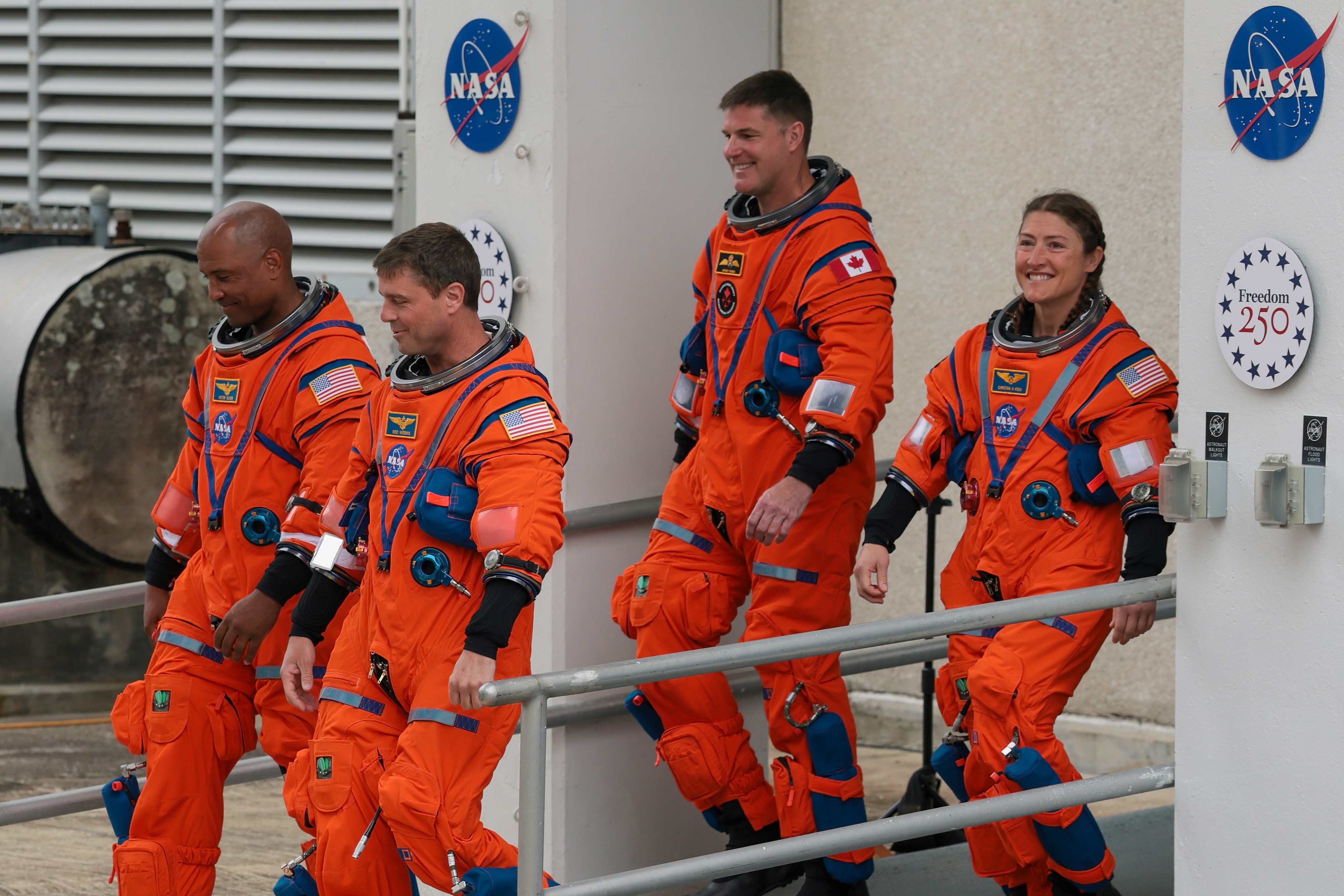
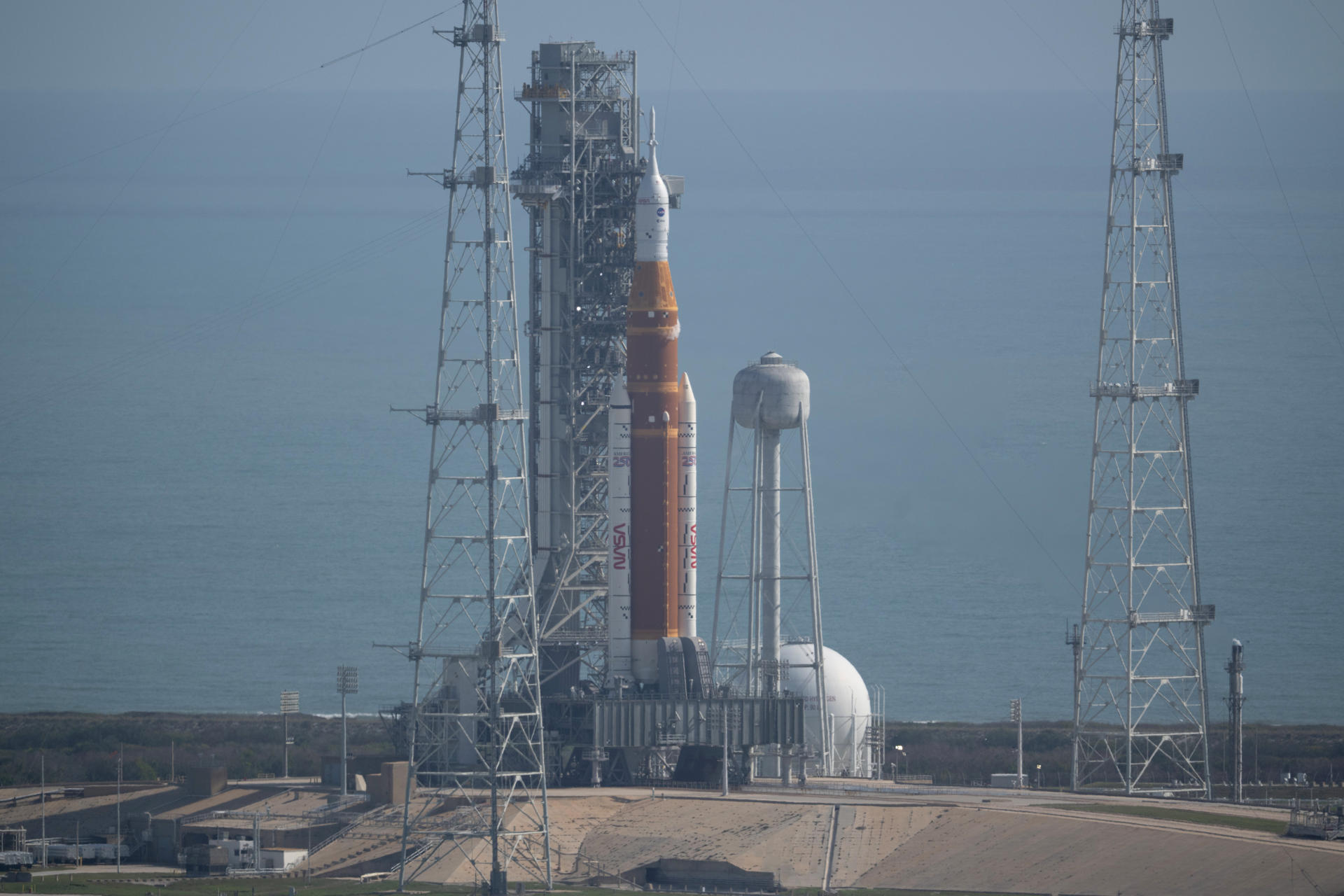
It will be the first crewed mission beyond Earth orbit since 1972, sending four astronauts around the moon aboard the Orion spacecraft. The astronauts will not land on the moon, but rather test the systems they will need to do so.
The Artemis I mission tested an empty spacecraft. This time its all about proving the tech works with humans onboard.
Artemis II is a full systems test: life‑support, navigation, propulsion, power, and communications — all operating thousands of miles from Earth, with no backup and no resupply.
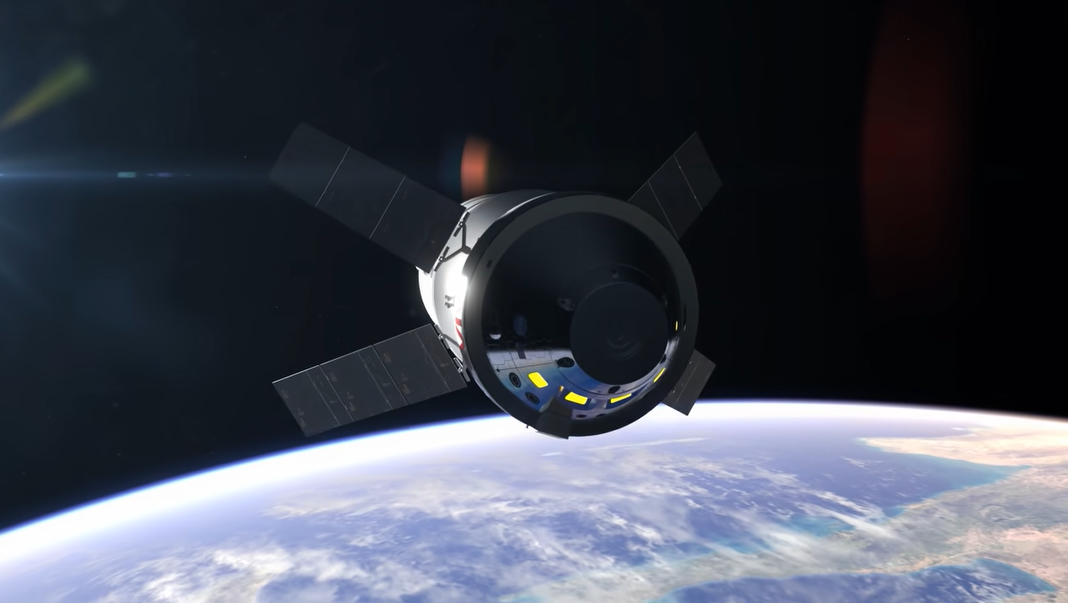
Unlike the space station, Orion is completely self‑contained. Every breath, every drop of water, every calorie is managed by software, sensors, and automated systems designed for deep‑space missions.
The mission will also test heat shields surviving lunar‑return speeds, autonomous navigation far from GPS, and radiation protection — technology required not just for the moon, but for future Mars missions.
When they launch in 2027 and the years to come, future Artemis missions are scheduled to be the first human landings near the Moon’s South pole. They will allow NASA to begin construction of a gateway lunar space station.
“We can use the moon as a steppingstone, in a way,” said Professor Derek Buzasi, an astronomer at the University of Chicago. “We can test habitats on Mars; we can test various materials that we find locally to build structures instead of bringing everything with us.”
And what they might be looking for might surprise you, Buzasi said.
While finding and refining rare earth minerals may come in the future, the first thing researchers setting up a moon base will look for will be water…more specifically ice that can be used not only for drinking water, but for watering plants and even making fuel.
Artemis II is the next, evolutionary step. This mission is where NASA proves its next‑generation space technology can keep humans alive — before anyone tries to land again.
from NBC Chicago https://ift.tt/rG1vJ5s

No comments:
Post a Comment