
Patients admitted to the ICU expect to meet at doctor there. But that wasn’t the case for a dental student, whose life ended while in the ICU, under the care of a remote, “tele-doctor”.
It’s technology that’s already being used in intensive care units around the country, including in the Chicago area. But some patients may not know they’re being cared for by a tele-provider until after they’re admitted.
In the summer 2024, dental student Conor Hylton, 26, was in bad shape, suffering from pancreatitis and alcohol withdrawal symptoms.
“[Conor] called me at work and said, ‘Dad, just can you come take me to the hospital?’,” said William Hylton, Connor’s Dad. “The whole plan was just to admit him to the floor to rehydrate him.”
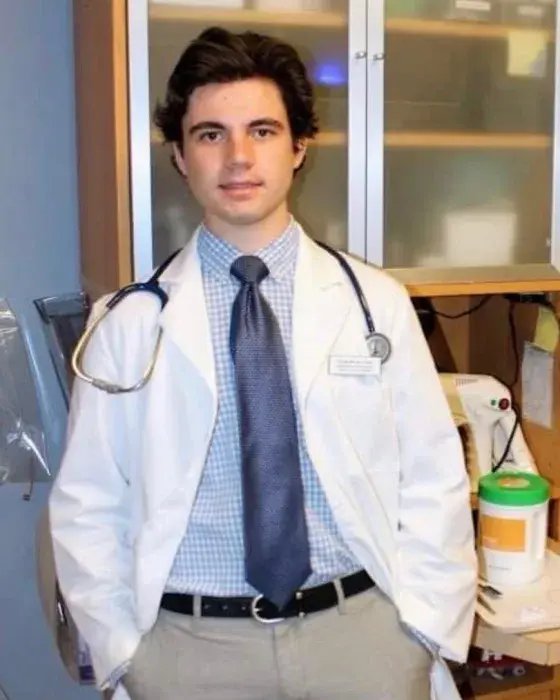
Conor was treated in the Emergency Department at Bridgeport Connecticut Hospital, and later he was transferred to the Intensive Care Unit. Once in the ICU, William says, there was no doctor to be found.
Instead, Conor’s care was being orchestrated from a screen.
“On the wall was this big monitor where this remote TV doctor was telling everyone what to do,” said William.
Less than 18 hours after arriving at the hospital, Conor began seizing and became unresponsive. Conor’s final moments, his dad said, were overseen by a remote doctor watching on a monitor
“I hear the TV doctor say, ‘is the family there?’ And so you know that’s not good. So they said’ yes’, and so at 6:12, the remote [doctor] pronounced my son dead,” said William.
Even though Conor was in the Intensive Care Unit – among the hospital’s sickest of patients – a new lawsuit filed by William says Conor never saw a in-person doctor in the ICU until he went into cardiac arrest and died an hour later
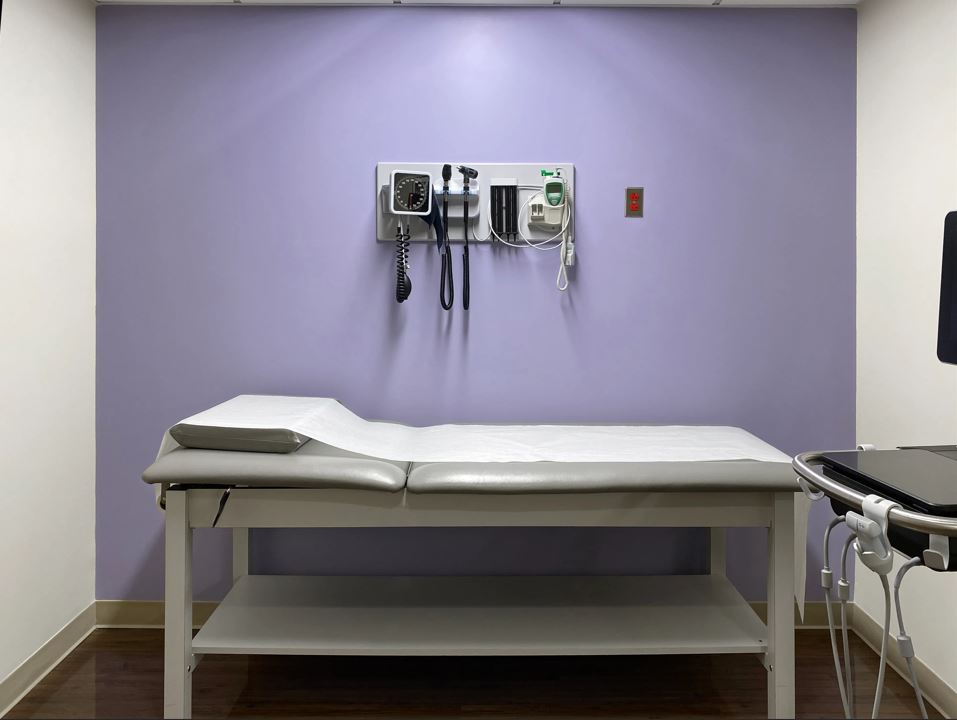

“I would have never allowed him to go to an unmanned ICU,” said William.
An investigation conducted by the Connecticut Department of Health found the hospital “failed to ensure a physician who was assigned to care for patients.”
And when a doctor was eventually called, the report states, the doctor “Did not know how to get to the ICU.”
“If you’re going to what’s known as an ‘Intensive Care Unit,’ you have expect to receive intensive care,” Joel Faxton, the Hylton family’s attorney said. “And the only way you can receive intensive care is if there’s a doctor there. Conor was effectively placed in… a fake ICU.”
In a previous statement to NBC News, the hospital said “Yale New Haven Health is aware of this lawsuit and is committed to providing the safest and highest quality of care possible, however, we are unable to comment on pending litigation.”
Tele-ICUs already being used at hospitals in Illinois
ICUs around the country, including in Illinois, are using telehealth to fill crucial gaps, and experts say the trend is growing. But is having a doctor on a screen better than having a doctor by your bedside?
“Well, when you look at critical care in this country, having a 24-hour intensivist at the bedside can decrease mortality significantly,” said Dr. Michael Ries, who has been on the front lines of tele-critical care since 2003, and one of the first to work in tele-critical care in the country. “And unfortunately, only about 15%, 20% of ICU’s hospitals in the country have intensivists.”
Dr. Ries, who led Advocate Medical’s Tele-Critical Care Program in Chicago, says tele-ICUs can give rural patients fast access to specialists, including intensivists—doctors trained to treat the most critically ill. He estimates that up to 20% of ICUs already use remote providers.
“It also increases their ability to staff nighttime because, you know, rather than have to come in and work 12 hours overnight in the tele- ICU, that’s a burden too,” said Dr. Ries.
Studies about the use of Tele-ICU’s are mixed, with some reporting the tech can improve outcomes. But there are no industry-wide regulations governing the practice, so the implementation, reliability and quality of these programs can vary across hospitals.
NBC 5 Responds found that Advocate and Northwestern hospitals also use remote physicians in their ICU’s. However, representatives and experts from both systems say their ICU’s are still staffed with in-person doctors, and that remote physicians are used mainly for second opinions in their more rural locations.
It’s an approach William says he would’ve liked to see for his own son at Bridgeport Hospital.
“It’s called intensive care for a reason,” William said. “Like, you can’t reach out through the screen. Sometimes you need to touch patients, you need be able to see what’s going on. You can’t do everything remote.”
If you or a loved one are going to receive care in an ICU:
- Ask if your doctor will be treating you via telehealth
- Ask who will be physically on the unit — especially during overnight hours when staffing can thin out.
from NBC Chicago https://ift.tt/hUtEHv8

No comments:
Post a Comment